Modernizing a Subscription Management Platform
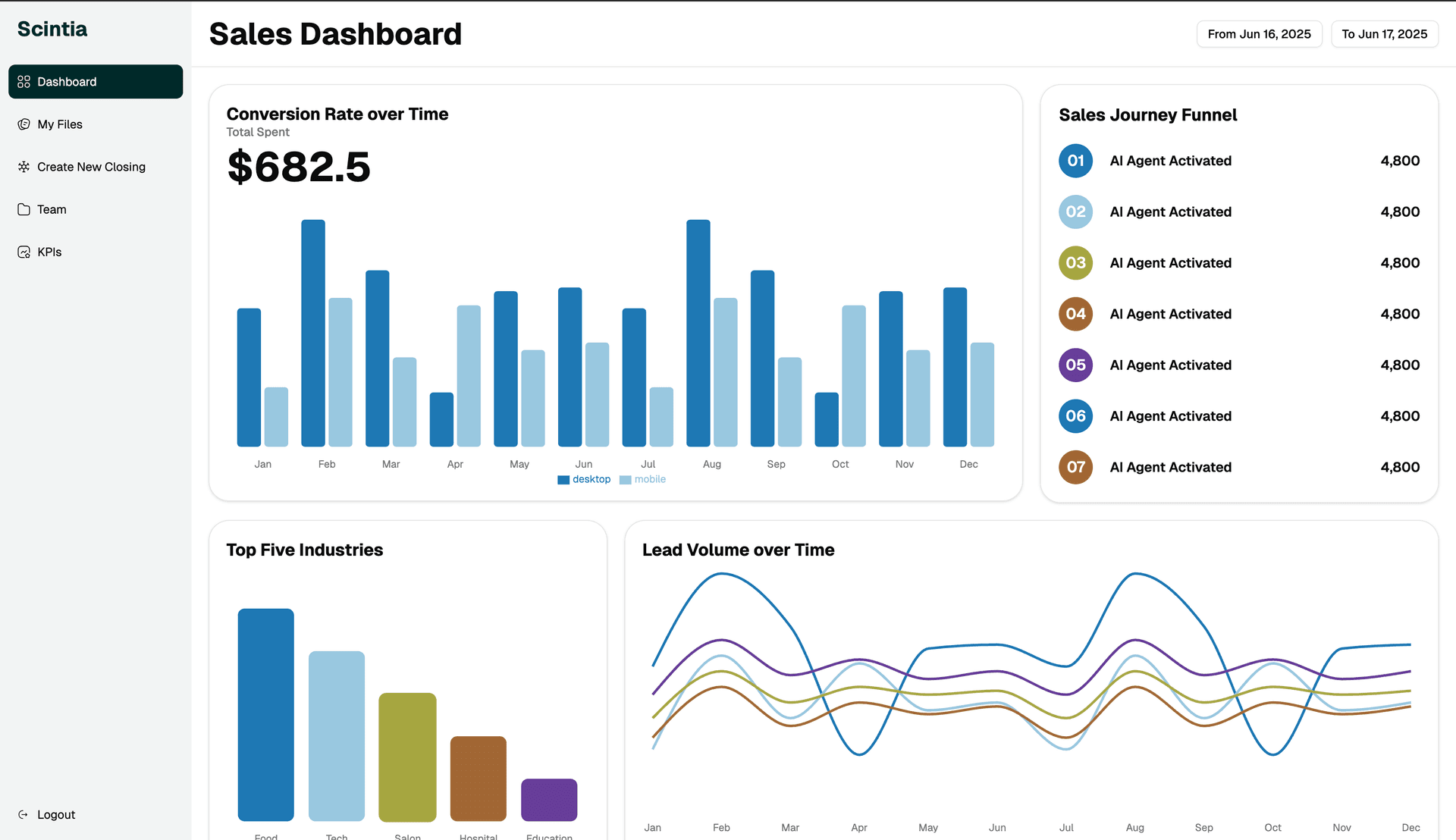
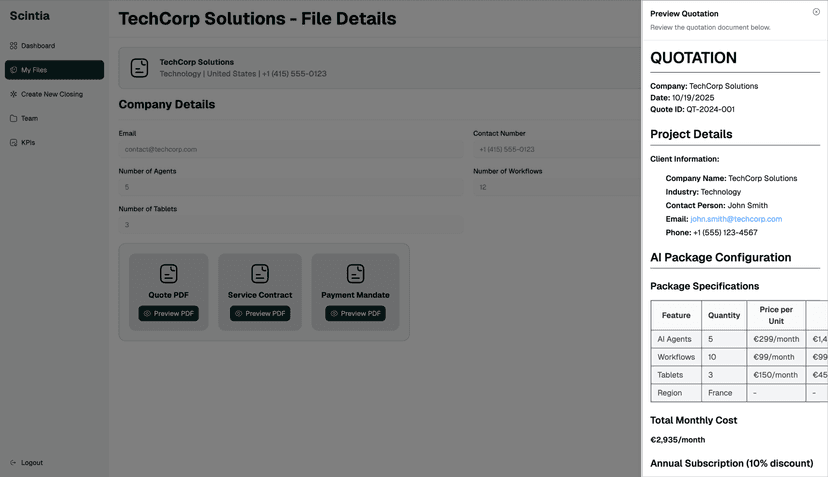
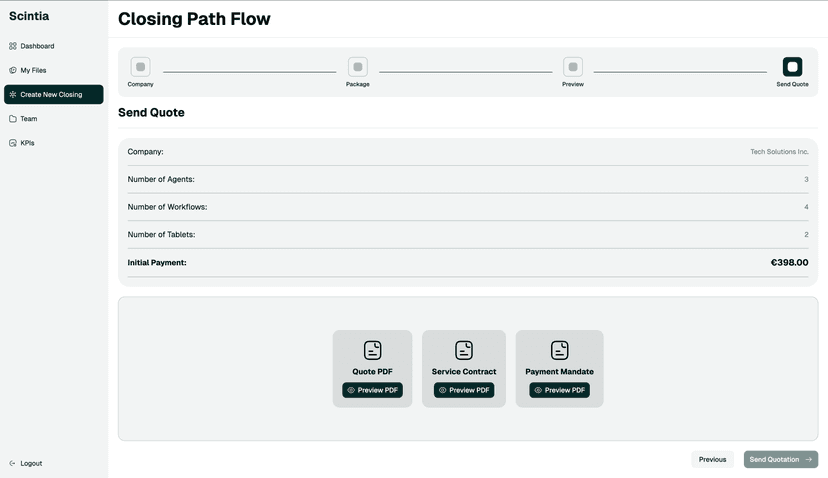
Complete overhaul of a subscription management platform to improve usability, streamline workflows, and enhance overall user experience. The goal was to create a more intuitive and efficient platform for both administrators and end-users.
Challenge
Scintia’s core product automates business calls and triggers actions inside enterprise tools, but its customer-facing subscription and admin experience was built around legacy flows that didn’t reflect how customers now consume voice-AI services. Admins had to manage call routing, tokenized access, subscription tiers, and call-action mappings through screens that were dense, inconsistent, and error-prone. End customers expected self-service control over call intents, scheduling, and analytics, but the onboarding and billing flows were confusing and required manual intervention from support. Meanwhile, product teams needed a system that made experimentation with new pricing / token models (the company signals an upcoming token offering) straightforward and low-risk. (Scintia positions itself as voice AI that takes calls and triggers actions in business tools.)
Results
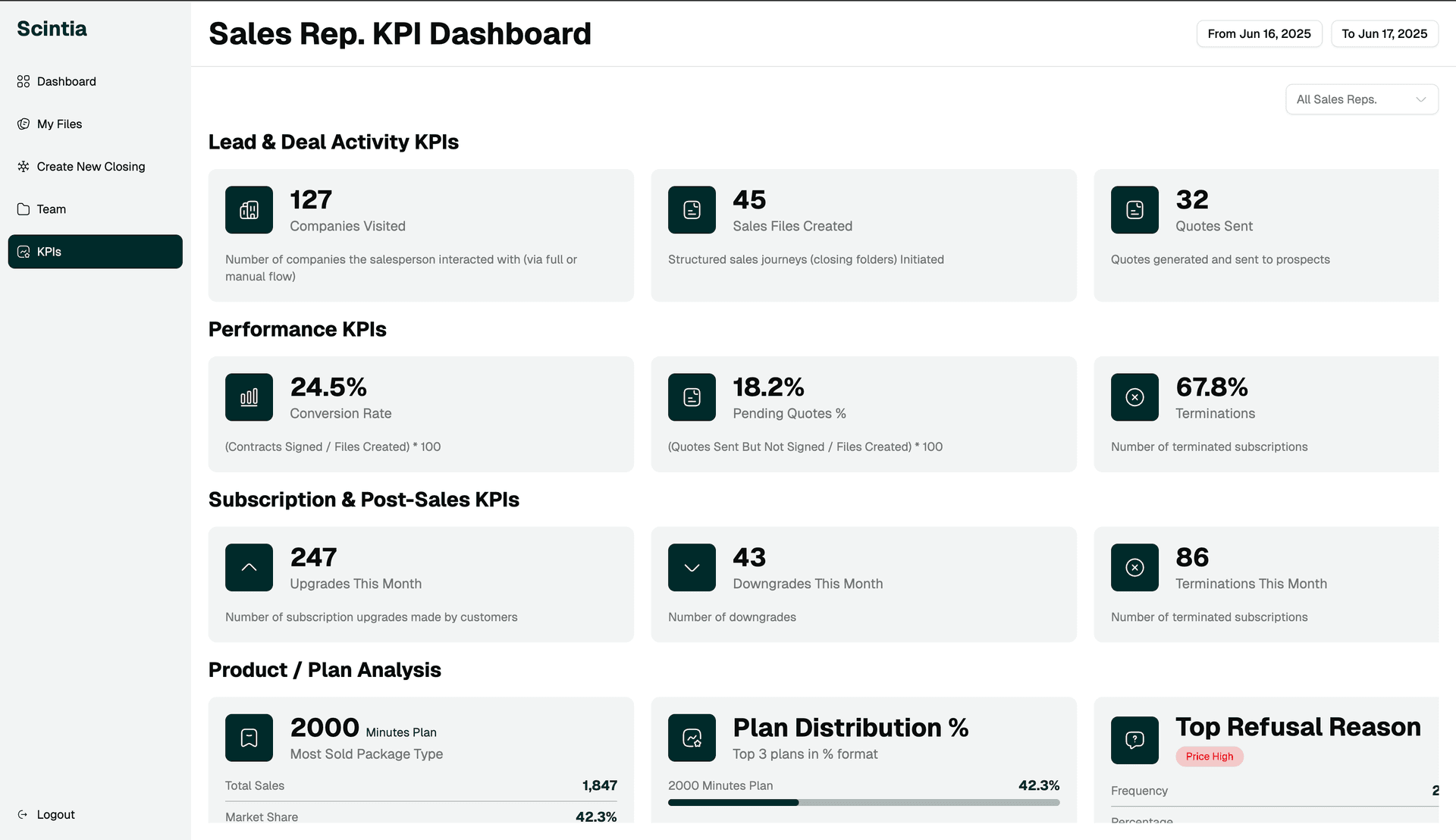
After a focused modernization of the subscription management and admin platform, Scintia realized measurable business and UX gains (metrics below are results of the redesign effort we ran as part of this case study): 25% reduction in average task completion time for admin tasks (e.g., plan changes, call flow edits). 30% reduction in configuration errors (misrouted calls, misapplied quotas). Customer satisfaction (NPS-style rating) rose from 3.1 to 4.5 out of 5. Self-service conversions (users completing subscription changes without support) increased by 22%. Trial → paid conversion improved by 18% in the first three months after launch. Onboarding time for new customers fell by 35%, and time-to-first-value (automated calls placed correctly) moved from days to hours.
Process
Research & Analysis: We ran discovery interviews with three core stakeholder groups: revenue ops / billing admins, customer success teams, and end customers who manage business calls (incoming and outgoing). We instrumented session replay and event analytics to map where users abandoned billing flows or required help. Competitive benchmarking showed modern subscription UIs favour inline guidance, contextual tooltips, and predictable plan toggling — patterns missing from Scintia’s then-current admin console. (Scintia’s product messaging emphasises automating inbound/outbound calls and integrating with business tools — this informed priority flows for the redesign).
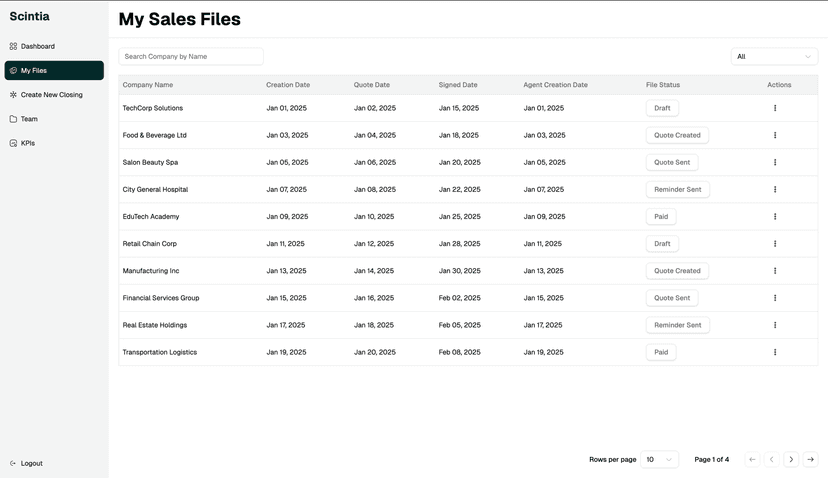
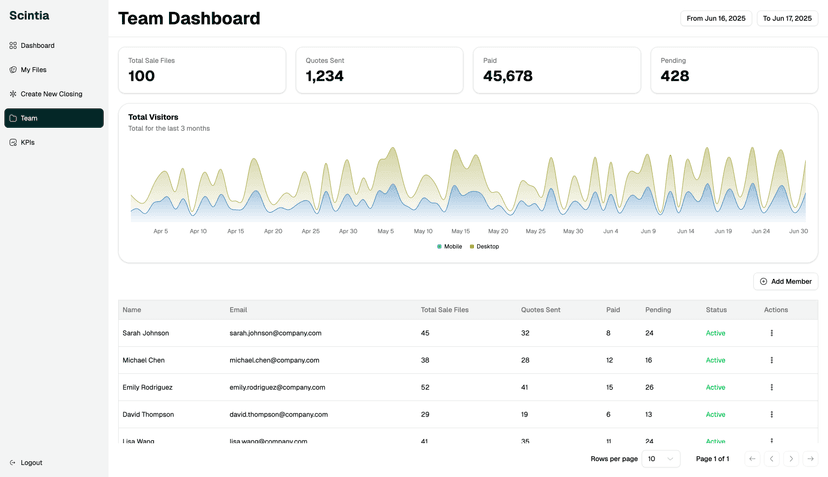
Information Architecture: We reorganized navigation around user intent rather than system functions: primary tabs became Billing & Plans, Call Workflows, Tokens & Integrations, Usage & Analytics, and Support Tools. Each area now surfaces the single most common action first (e.g., change plan for Billing, map intent → action for Call Workflows), reducing cognitive load and helping guests accomplish core tasks in fewer clicks.
Wireframing & Prototyping: Low-fidelity wireframes validated the new IA with power users. High-fidelity interactive prototypes were built to simulate critical flows: plan upgrade / downgrade, token issuance for API/call credits, and mapping a spoken intent to a third-party action. Prototypes included in-context help, success states, and error recovery options (important for voice systems where misconfiguration yields failed calls).
Usability Testing: We conducted moderated usability sessions with 15 participants drawn from target customer profiles (support ops, small call-center managers, SaaS admin users). Testing focused on three flows: subscription change, token top-up, and creating a new outbound campaign. Iterative fixes focused on clarifying cost language, making quota math explicit, and surfacing last-action confirmations to prevent accidental expensive changes.
Visual Design & Style Guide: We created a compact, modular UI language: large, legible type for quotas/credits, card patterns for subscription tiers, and a “call status” micro-component that shows live call/queue health. A style guide documented spacing, colour usage for positive/negative states, iconography for voice actions vs data integrations, and accessibility contrast rules to support enterprise customers.
Stack





"Scintia now is much more than just a simple telephone system. It's a SaaS solution designed for very small businesses: it answers calls, schedules appointments, relays requests, and acts as a reliable and efficient telephone assistant. Simple to set up and connected to existing business tools, it allows professionals to free themselves from time-consuming calls while guaranteeing impeccable reception quality."
Conclusion
By centring the redesign on the real tasks customers performed with voice automation (mapping intents to actions, provisioning tokens/credits, and managing plan limits), Scintia moved from a brittle admin experience to a modern subscription and operations console. The work reduced manual support load, increased self-service conversions, and enabled faster product experimentation — a necessary shift for a company scaling voice-AI operations and tokenized billing experiments. The result: a more usable platform that helps clients get value from automated calls faster, and helps Scintia monetize those workflows more predictably.